local food

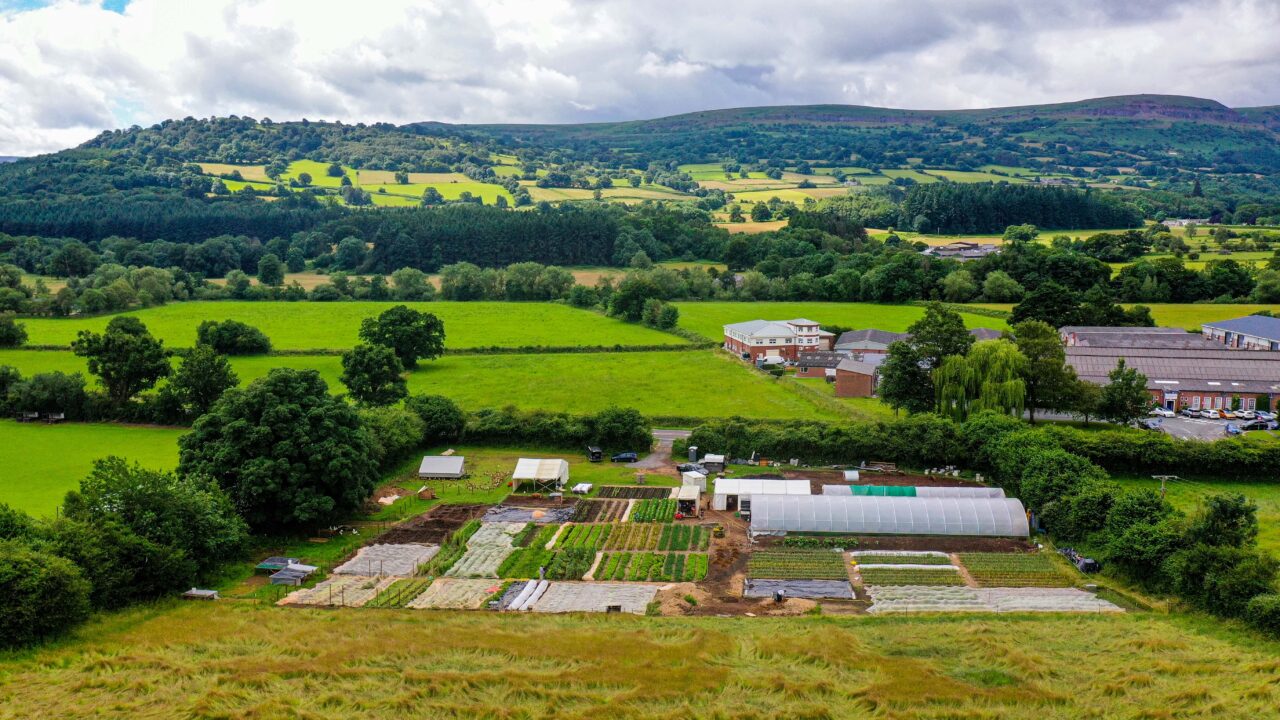
We are working to expand the growing of food, particularly vegetables, using agroecological techniques - building biodiversity, mitigating climate over-heating and keeping our rivers clean.

Food insecurity is a grave threat. Driven by growing economic inequality, food prices are rising inexorably, particularly of healthy foods. This will generate ever more food poverty in the future. Food shocks caused by climate disasters and wars will drive prices up even more. Economic inequality is also driving up the price of land, which is priced as a financial asset for the wealthy. This is blocking new farmers from starting and limiting our ability to secure our food supply. So, as our current food supplies are threatened, our ability to replace them also diminishes.

We are inspired by the major report on food security by Professor Tim Lang in 2025, which we have summarised at FoodSecurityAction.org. He makes two recommendations: GROW MORE FOOD for local and regional markets, and BUILD COMMUNITY RESILIENCE so communities can make sure everyone can eat well as prices rise.

We are leading on the first of these missions.

Our projects

Veg growing

100 new farm enterprises in Powys

Working with the Future Farms Partnership, we will seek to build new enterprises in three ways: diversification on existing farms, leasing land from Powys County Council for “affordable farms”, and buying land into community ownership for new farms. Working at this scale is forcing us to confront the fundamental challenges, particularly land that is priced at three times its agricultural value.

The 100-farm project: seven tasks
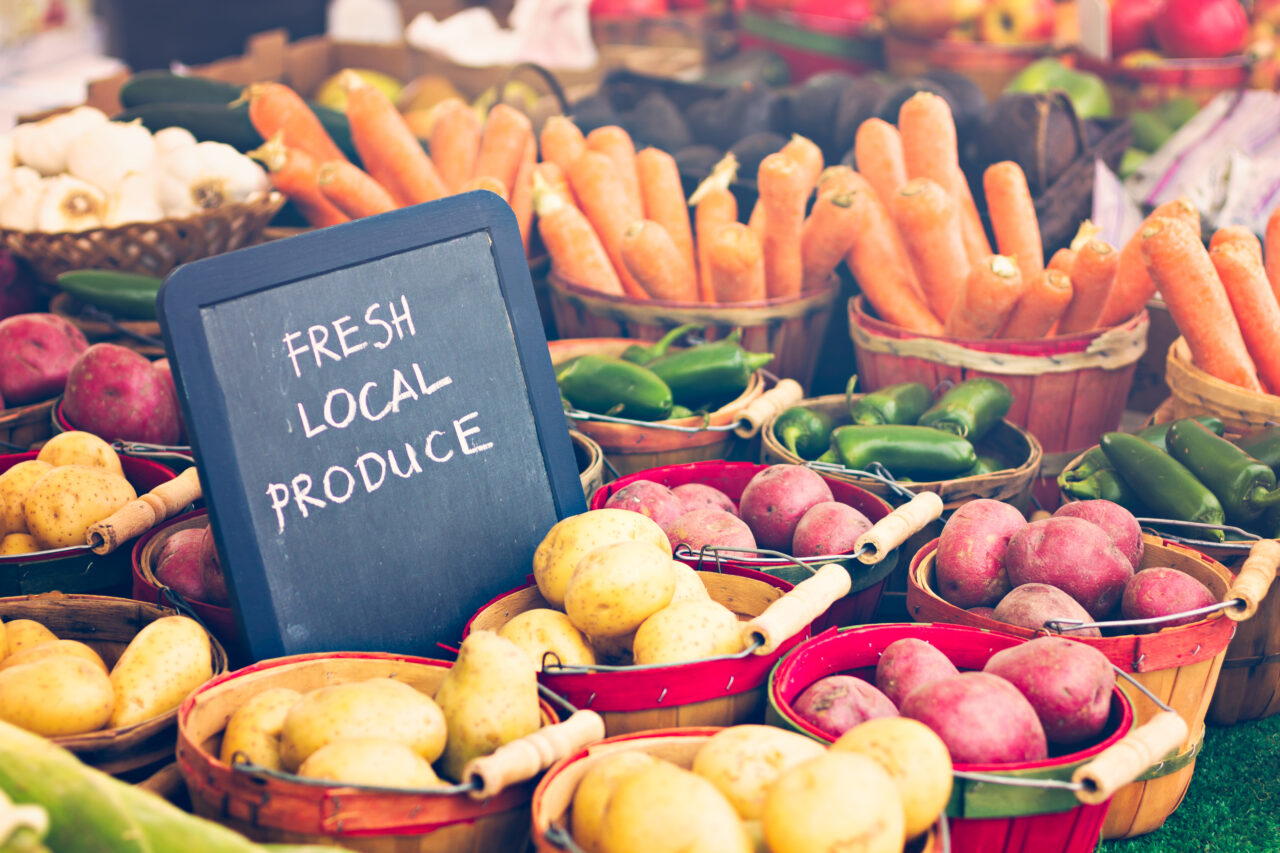
vegetable market

Advocacy for diversifying Wales' food supply

We are building a national coalition of organisations to focus attention on the need to secure our future food supplies by supporting new farming enterprises. We will organise a campaign of advocacy to overcome the current low priority given to this issue.

Political support and partnership

We enjoy a strong alignment of political support in our place, built up over the years: Welsh Government, Powys County Council, and Bannau Brycheiniog National Park. Over the last year, we built three new farms with homes with a vibrant partnership of non-governmental organisations, the Future Farms Partnership. We have mobilised this partnership to work to achieve the aim of 100 farm enterprises.

Our Food Our Future: new entrants describe the challenges they face when trying to start

The challenges we face

food security

Future food poverty

Food prices are rising inexorably as a result of escalating economic inequality and this is driving food poverty ever deeper. The global food supply chains we rely on are being undermined by climate change, political and economic instability and war. These create sudden price rises.

Read more on our blog post
bare land

Land price inflation

As economic inequality spirals and the rich become richer, the price of all assets rises. That includes land. In Wales, land is already priced at three times its agricultural value because it is seen as a good investment by those with wealth. This is gradually sucking farmland out of farming.

unprotected farmland underwater

Centralised power in the food system

95% of our shop-bought food comes through ten supermarkets. Such concentrated power is not kind to farmers, driving down the prices they get so that they have to depend on Government subsidies.

lorries

Environmental damage

Food and drink consumption has been found to be the biggest driver of carbon emissions in our National Park, nearly 50% more than either home energy or vehicle fuel. Our rivers (Wye and Usk) are national notorious for their pollution, largely driven by agriculture. Biodiversity is declining, even in the Bannau Brycheiniog National Park.

young girl holding veg

The young are leaving

Unaffordable housing and the lack of good jobs are driving young people away and decimating rural communities.

Thank you to our supporters!

Latest updates

Keep up to date with our latest news and updates

View all

Follow our work

Sign up to receive our occasional newsletter.