

In the coming days, the Guardian newspaper will publish a story about the three new affordable farms in Powys that we have helped to build to enable skilled young people to start farming despite impossibly high land and housing prices. The Guardian heard about our project because Professor Tim Lang mentioned it in his keynote speech at the NFU UK national conference in Birmingham in February this year.
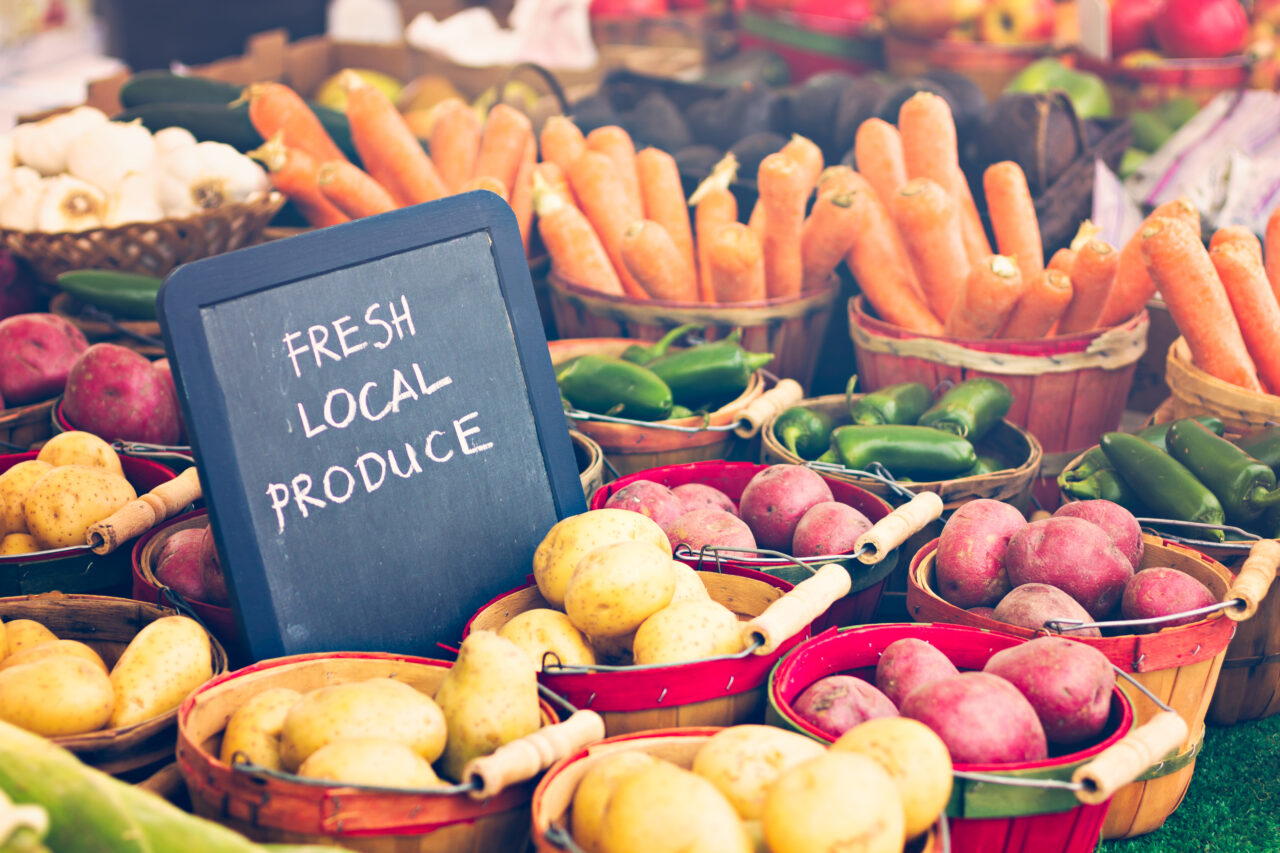
The story will home in on the fact that the farms are starting to supply urban markets, Birmingham in particular. This follows the call by Tim Lang to “feed the cities” through local supply chains, a key measure to build food security. Although the farmers on our farms are predominantly dedicated to serving very local markets, to expand and grow, they need larger urban markets. They can grow food far more quickly than slowly evolving rural markets can absorb, so, without an urban market also, they cannot grow their businesses at a viable rate.
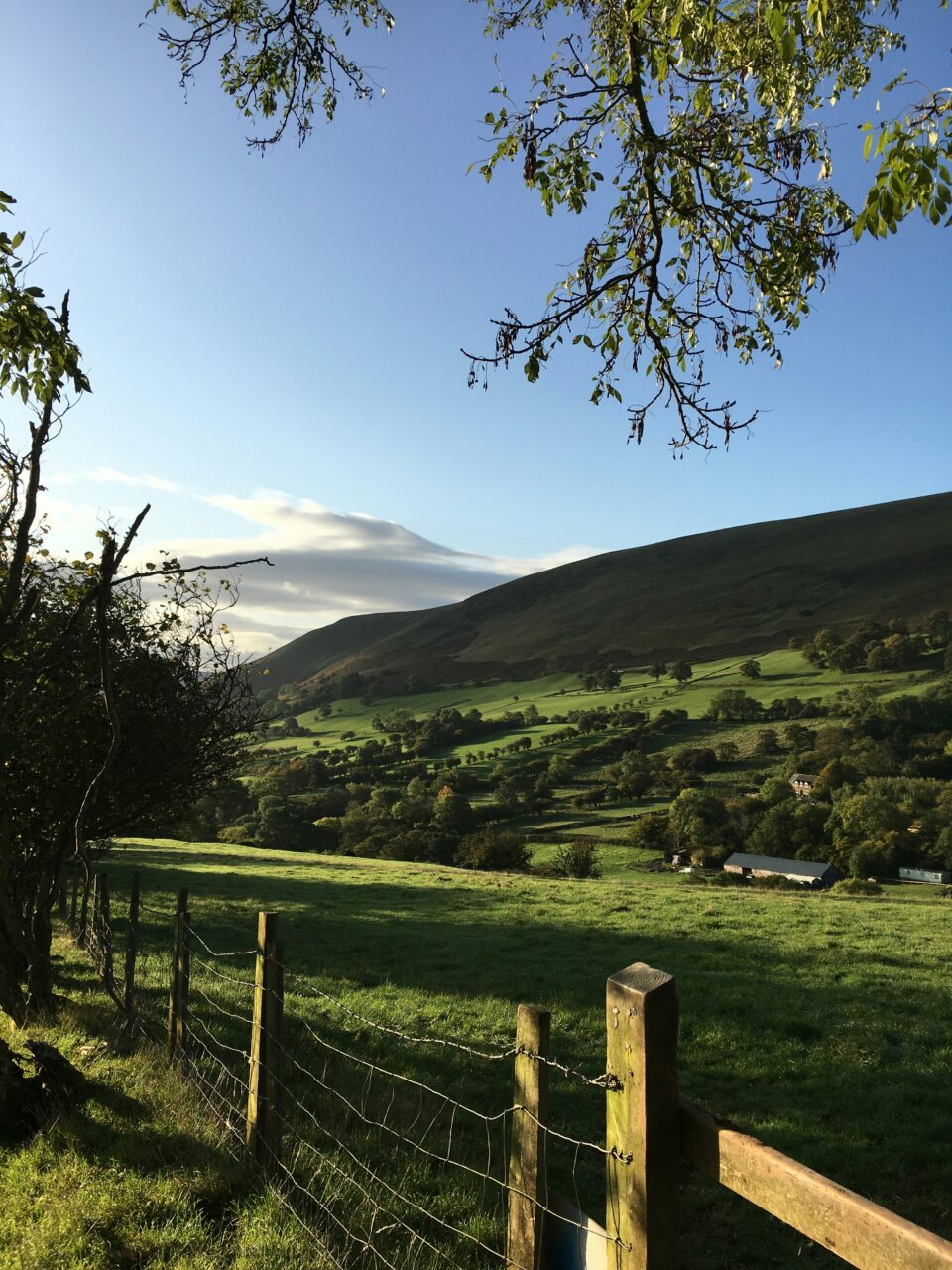
We are working with Birmingham because it has an active strategy to diversify its food supplies into its rural hinterlands. (This approach is even a law in France.) This is a big opportunity for farmers in NE Wales, restoring what was once thriving urban-rural food trade in this region.
We think there is an opportunity for Welsh cities to develop similar strategies. Farmers in rural areas cannot be expected to go into cities and negotiate new markets – the initiative must come from within the cities. To this end, we will be writing to the leaders of the City Councils in Cardiff, Swansea, Newport, Wrexham and Bangor, to urge them to develop plans to secure more food from the rural areas around them.
In tandem with this, the Welsh Government Food Division, which has focused so much on exporting processed Welsh foods out of Wales, could do more to support the supply of Welsh farm produce into Welsh and nearby cities.
We are actively supporting the creation of the new Food Strategy in Wales that Government is leading. We are making the case that the principal way to achieve the changes specified in the Plaid manifesto, such as short supply chains, is to build new markets for farmers. Once these markets are real prospects, farmers will be able to take risks to establish new growing enterprises. Government can help them with supply chain infrastructure, technical and financial support, affordable homes, local economic development plans, skills including for diversification, climate resilient investment, agroecological methods, planning rules…
We are suggesting a mission led approach to this, setting numerical and time-bound targets for the creation of new markets, which can inspire the support of the public and of farmers and give Government the legitimacy to take radical action. These are the kinds of market missions we are recommending.
- Public authorities (e.g. schools, hospital local authorities) and accommodation providers (e.g. housing associations, old people’s homes) will source at least 50% of fresh produce from local and regional farms.
- Cities will have a local hub for food from the surrounding rural area.
- Towns will have local veg shops and markets.
- Hospitality providers will promote locally grown produce.
- Supermarkets in Wales will offer locally grown produce, bought from local farmers at a reasonable price.
Our project to build affordable farms and new markets in Powys is a laboratory. We are learning what the true barriers are and we are innovating to find solutions. We can offer all our learning to Welsh Government as it forges a national approach to food security in partnership with farmers, local governments and civil society organisations.
Latest updates
Keep up to date with our latest news and updates
View all
Rural-urban supply chains: Letter to the Minister for Rural Resilience and Sustainability
Letter to 108 community councils in Powys: do you want to grow food?
Welsh food for Welsh people: Letter to the new Minister for Rural Resilience and Sustainability

Growing more food in Powys for local and regional markets: policy briefing for Powys County Councillors, by Future Farms Partnership

Open letter from Black Mountain College students and alumni to public authorities – ‘let us farm!’

